
The weekend field guide
Becoming a fair vendor: how to apply and prepare
How to become a vendor at a county fair, state fair or festival: find the vendor page, pick a category, meet the requirements, plan your booth and track deadlines.
To become a fair vendor, find the fair's own vendor or concession page, choose the category that fits what you sell, read the requirements and fees, apply before the deadline and plan your booth, staffing and supplies. Fairs set their own rules, so the fair's website is the authority, and the listing here links to it when we know it.
This guide is for makers, small businesses, food sellers and organizations that want to vend at county fairs, state fairs and festivals. It covers categories, applications, requirements, booth planning, staffing for long days, weather, money and follow-up. It is general information, not legal advice. Permits, licenses, insurance and health rules differ by place and by what you sell, so ask the fair and your local authorities.
Find the vendor page
Most fairs publish a vendor or concession page on their own website, and some are run by committees with a contact form or an office. The listing links to the fair's site when we know it, and the organizer pages collect events by organizer. Look for the application, the deadline, the categories, the booth sizes, the fees and the rules.
If you cannot find a vendor page, contact the fair office. Ask who handles vendors and what the process is. Some fairs work through a vendor coordinator, and some through a separate operator for food or midway. Keep a copy of every reply.
Understand the categories
Fairs sort vendors into categories because the requirements and the layout differ. Common categories include commercial vendors, who sell products such as home goods, tools and services; craft and artisan vendors, who sell handmade work; food and beverage vendors; nonprofit and community groups; agricultural and educational exhibitors; and sponsors.
Each category has its own application, fees and rules. Craft categories may require that work be handmade and may use a jury. Food categories usually have health and safety requirements, and in some places an inspection. Commercial categories may require business registration or insurance. Choose the category that fits what you sell, and ask the fair if you are unsure.
Read the requirements carefully
Fairs often ask for proof of insurance, a business or sales tax registration, permits or health approvals, depending on what you sell and the rules where the fair is held. Rules about alcohol, food, animals, fireworks, tobacco and other regulated items vary widely, and some items are not allowed at all. Ask the fair what applies, and check with your local and state authorities. This guide is general information, not legal advice.
Read the vendor agreement for the cancellation terms, the weather policy, the hours you must be open, the rules about parking and overnight stays, and the rules about what you may sell. Some fairs restrict items that compete with other vendors. Keep a copy of the signed agreement.
Plan your booth
Confirm the booth size and what is included. Ask whether you need your own tent, tables, chairs and lighting. Ask about power and its cost, water access and waste disposal. Ask how load-in works, when you must arrive and when you must be out, and where you can park. Fairgrounds can be large, and moving stock across them takes time.
Design your booth so people can see what you sell from a distance. Use clear signs, good lighting if allowed and a layout that lets visitors step in without blocking the aisle. Think about shade, wind and rain, because fairs are often outdoors. Secure signs and displays, and bring weights for tents.
Payment and pricing
Decide how you will take payment, and test it on site, because signal can be weak at a busy fair. Bring change. Price clearly, and keep prices simple at a fast-moving fair.
Staff for long days
Fairs can run for many hours over several days. Plan your staffing so that you can take breaks, eat and handle peak times. Train helpers on your prices, your payment setup and your policies. Keep water, snacks and sun protection for your team.
Think about what happens if someone gets sick or the weather turns. Have a backup plan. A well-staffed booth sells more than one where the owner is exhausted.
Track deadlines and follow up
Applications can close months before an event, and popular fairs fill quickly. Put every date in a calendar: application deadline, decision date, payment due date, insurance deadline and load-in date. Keep a list of the fairs you applied to and their outcomes.
After each fair, write down what sold, what drew questions and what you would change. Thank the organizers. Browse the state pages to find other fairs and festivals, and our guide on county fair or state fair to understand how the two differ for vendors and visitors.
Frequently asked questions
Where do I apply to be a vendor?
On the fair's own website or through its office. Listings link to it when we know it.
Do I need a permit to sell at a fair?
It depends on what you sell and where. Ask the fair and your local authorities.
Are vendor fees refundable?
Terms differ. Read the agreement and ask before you pay.
Can I vend at several fairs?
Yes, if the schedules allow and each fair's terms permit it.
Can I sell food at a fair?
Food vendors usually have extra health and safety requirements. Ask the fair and your local health authority.
Does a listing imply an endorsement?
No. It means the fair is in the directory with a cited source.
Put your plan into motion
Find your next show.
Use the listing's official source to confirm the latest dates, public hours and entry rules.
Find shows in this directoryKeep planning
More useful guides
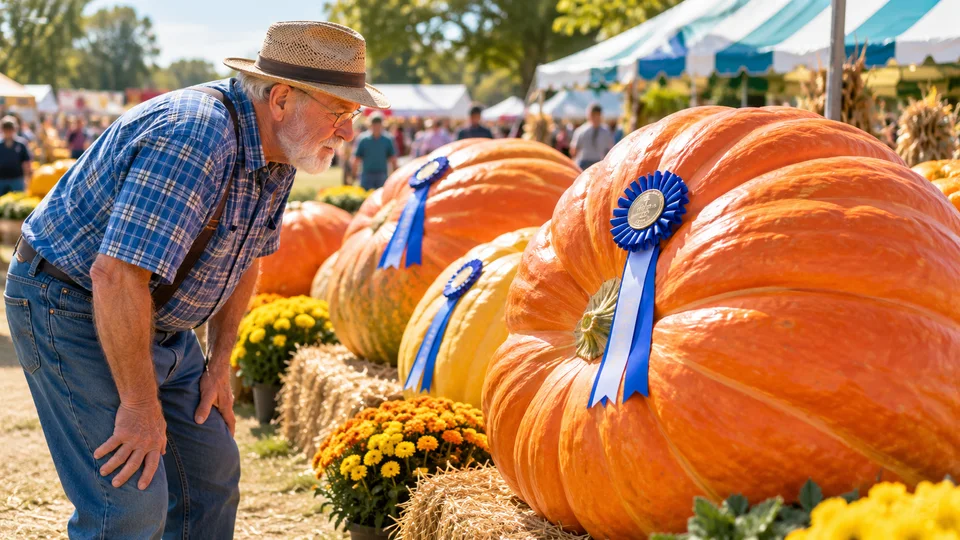
Planning your first show: a visitor checklist
Choose a show that suits your interests, confirm the practical details and keep the organizer’s information handy before you travel.
Read guide : Planning your first show: a visitor checklist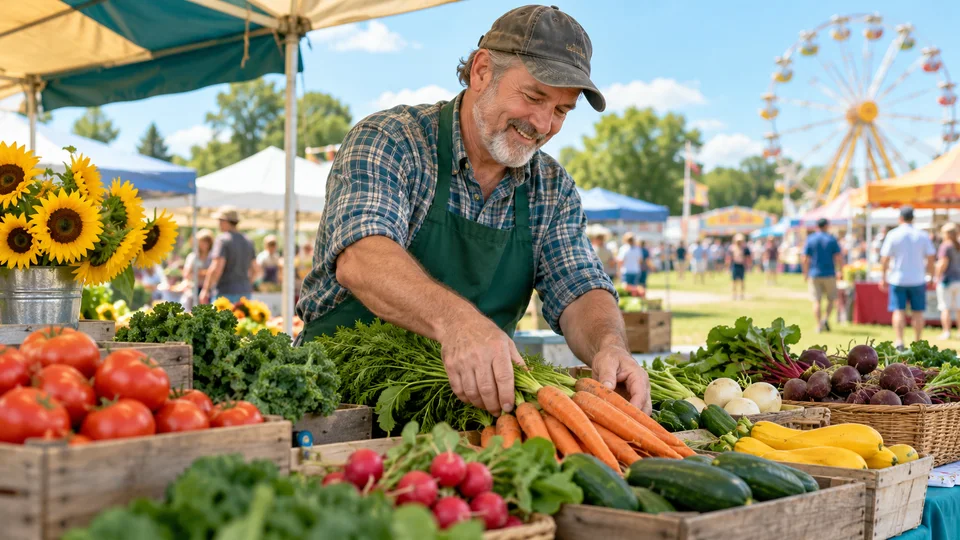
Preparing to sell at a fair or festival: a seller checklist
Confirm your seller application, table equipment, setup time and organizer terms before booking a place at a fair or festival.
Read guide : Preparing to sell at a fair or festival: a seller checklist
County fair or state fair: which should you visit?
How county fairs and state fairs differ in size, exhibits, entertainment, crowds and cost of a day out, and how to decide which fair is right for your visit.
Read guide : County fair or state fair: which should you visit?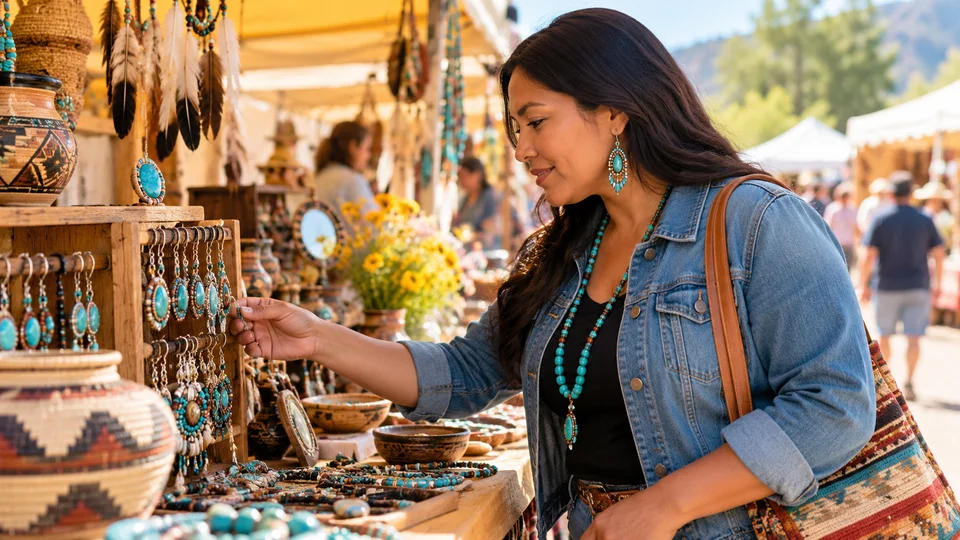
Visiting a fair for the first time: a practical checklist
A practical checklist for visiting a county or state fair for the first time: pick your day, plan the basics, dress for the weather, see the exhibits and stay safe.
Read guide : Visiting a fair for the first time: a practical checklist