
The weekend field guide
Visiting a fair for the first time: a practical checklist
A practical checklist for visiting a county or state fair for the first time: pick your day, plan the basics, dress for the weather, see the exhibits and stay safe.
For your first fair, pick a day that fits the events you want to see, check admission, parking and hours on the fair's website, dress for the weather and for walking, set a spending plan, and agree on a meeting spot for your group. Then leave time for the exhibits as well as the midway, because that is where much of a fair's character lives.
This guide is a checklist for first-timers, from planning to what to bring, what to see, how to eat well and how to keep children and belongings safe. Every fair has its own rules and schedule, so check the fair's own information, which our listings link to when we know it.
Pick the day
Fairs offer different experiences on different days. Weekends are busier, with more events and larger crowds. Weekdays can be quieter, with shorter lines. Some fairs have special days with themes, discounts or particular shows. Check the schedule for the events you want to see, such as animal shows, contests, concerts, demonstrations or parades.
Think about the time of day. Mornings are often cooler and calmer. Evenings may bring concerts, lights and a livelier midway. If you want to see a specific event, plan around its start time and arrive early.
Plan the basics
Check the fair's website for admission, parking, hours and rules. Find out whether tickets are sold in advance, whether there are shuttle services and where drop-off points are. Check what you may bring, such as bags, strollers, outside food and drink, and pets, since rules differ.
Decide where you will meet if your group separates, and agree on a time. Phone signal can be weak in crowded areas, so a fixed meeting place is a good plan. Write down the number of a person who is not with you in case someone is lost. Our listings show admission and hours when the source states them; anything not stated is unknown, so confirm it with the fair.
Dress and pack for the day
Fairs involve a lot of walking, often on grass, gravel or pavement. Wear comfortable, closed shoes that you do not mind getting dirty. Dress for the weather and bring layers. Bring sun protection, a hat and water if allowed. A light rain jacket can save a day.
Bring a small bag with the essentials: tissues, hand wipes, sunscreen, a small first-aid kit, a phone charger, and a way to pay. Keep valuables close and carry only what you need. If you have children, consider a lightweight stroller or wagon if allowed, and a change of clothes.
See the exhibits and the animals
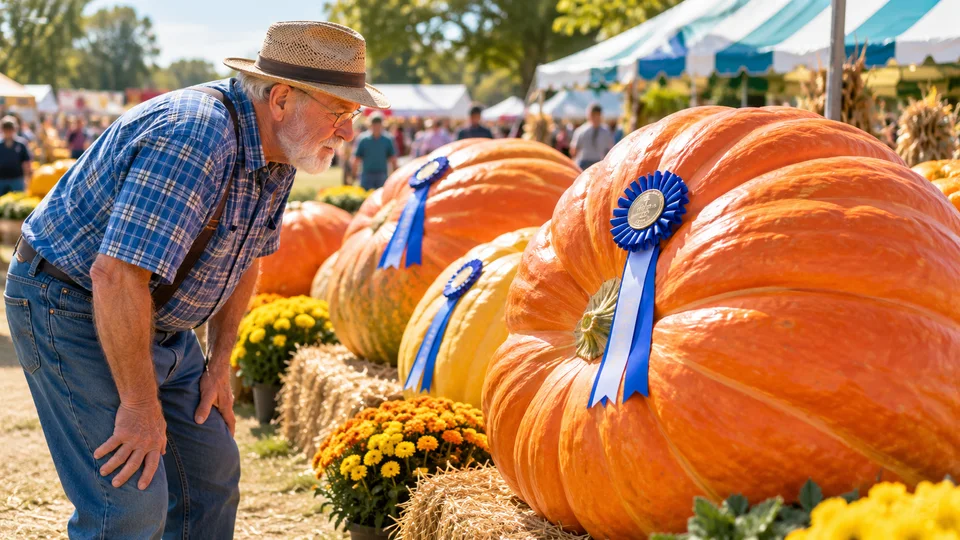
Take time for the exhibits as well as the midway. Look at the baked goods, art, crafts, photography and garden produce, which show the skills of people in the community. Visit the animal barns, ask questions of the people showing animals and watch a judging or a demonstration if one is on. Ask staff about schedules and special shows.
Many fairs have educational displays, demonstrations of traditional skills and activities for children. These are often free once you are in, and they are good ways to slow down between rides and food. Treat animals and exhibits with respect, follow signs and wash your hands after visiting the animal areas.
A short list of things worth seeing
- The exhibit halls with baked goods, art, crafts and garden produce.
- The animal barns, where the people showing animals will often answer questions.
- Demonstrations of traditional skills, if the schedule lists any.
- Any judging or contest you can reach at the posted time.
Eat, drink and spend wisely
Fair food is part of the experience. Decide what you want to try, share portions and take breaks. Drink water throughout the day, especially in hot weather. Rules about alcohol and outside food differ by fair and by place, so check the fair's information and any local rules.
Set a spending plan for rides, games and food. Some fairs sell ride bracelets or tickets in advance, and some have special days with discounts. Compare options on the fair's website. Keep your receipts if you buy from vendors, and ask about return policies for larger purchases.
Keep everyone safe
Keep children close and teach them what to do if they get separated, such as going to a staff member or a first-aid tent. Note where the first-aid and information stations are. Watch your belongings in crowds. Follow ride rules and safety signs, and take shade and rest breaks in hot weather.
At the end of the day, check that everyone is accounted for, and plan your exit in time to avoid the worst of the traffic. Browse the state pages for other fairs, and read county fair or state fair to choose your next visit. If you want to sell at a fair, read our guide to becoming a fair vendor.
Frequently asked questions
How long should I plan for a fair?
That depends on the fair and what you want to see. A county fair can be a few hours, and a state fair can take a full day or more.
Can I bring food and drink?
Rules differ by fair. Check the fair's information, and check local rules for alcohol.
Are there accessibility services?
Many fairs offer them. Check the fair's information and contact the fair for details.
Is there an app or a map?
Some fairs have one. Check the fair's website.
What if it rains?
Check the fair's weather policy and bring layers and rain gear. Some events pause or move.
Can I subscribe to updates?
Each state page offers a calendar feed you can subscribe to.
Put your plan into motion
Find your next show.
Use the listing's official source to confirm the latest dates, public hours and entry rules.
Find shows in this directoryKeep planning
More useful guides
Planning your first show: a visitor checklist
Choose a show that suits your interests, confirm the practical details and keep the organizer’s information handy before you travel.
Read guide : Planning your first show: a visitor checklist
Preparing to sell at a fair or festival: a seller checklist
Confirm your seller application, table equipment, setup time and organizer terms before booking a place at a fair or festival.
Read guide : Preparing to sell at a fair or festival: a seller checklist
Becoming a fair vendor: how to apply and prepare
How to become a vendor at a county fair, state fair or festival: find the vendor page, pick a category, meet the requirements, plan your booth and track deadlines.
Read guide : Becoming a fair vendor: how to apply and prepare
County fair or state fair: which should you visit?
How county fairs and state fairs differ in size, exhibits, entertainment, crowds and cost of a day out, and how to decide which fair is right for your visit.
Read guide : County fair or state fair: which should you visit?